
Most people think of dental care as a way to avoid cavities or keep teeth looking clean. In reality, your mouth links closely to your brain, your hormones, your self-image, and your daily quality of life. Sore gums, broken teeth, chronic bad breath, or missing teeth can quietly shape how you feel about yourself, how you interact with others, and how your body responds to stress.
Modern dental practices, such as Orto Nova Clinic, see every day how oral health problems often come bundled with emotional strain, social anxiety, and even sleep issues. When teeth hurt or feel unstable, people may smile less, avoid photos, cancel social plans, and start to feel more isolated. Over time, this can drain confidence and increase stress. The good news is that once you see the link between tooth health and mental wellbeing, you can take steps that protect both.
How Tooth Pain and Discomfort Influence Your Mood

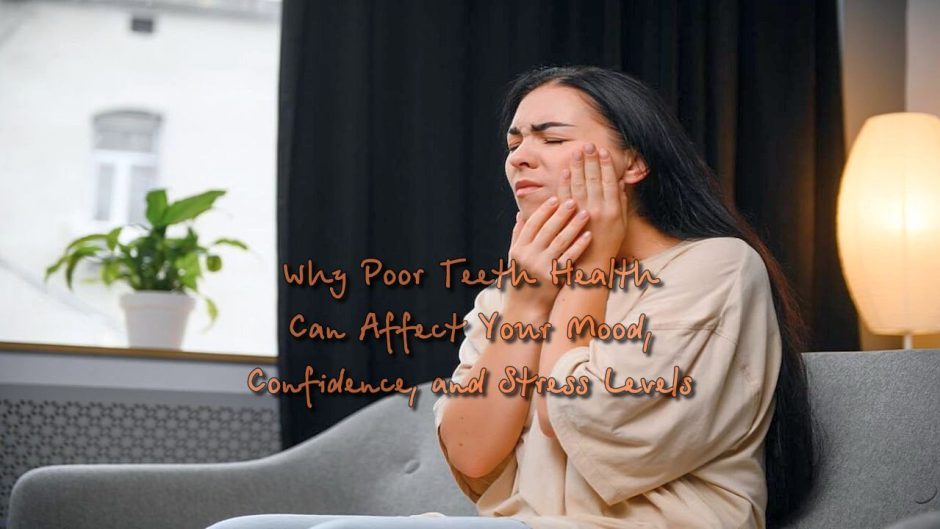
Tooth pain has a unique way of taking over your day. A dull throb, sharp sting with cold water, or pressure while biting can fill every quiet moment. Constant discomfort keeps your nervous system on alert. You may feel more irritable, impatient, or short-tempered without quite knowing why.
Chronic pain wears down emotional reserves. When simple activities like eating, brushing, or talking trigger pain, the brain treats these as constant threats. Stress hormones rise more easily, and small problems feel larger than they actually are. People with untreated dental pain often report poor sleep, frequent headaches, and trouble focusing at work, which all feed into low mood.
Over time, this cycle can deepen. Someone who feels grumpy and tired from tooth pain may withdraw from social plans or skip activities that normally bring joy. As life shrinks around the pain, sadness and hopeless feelings can surface. Addressing oral health issues early can protect not only physical comfort but also emotional balance.
Self-Image, Smiles, and Confidence In Social Life
Your smile plays a big role in how you present yourself. Stained, crooked, damaged, or missing teeth can make a person feel self-conscious. Many people learn to hide their teeth behind tight lips, cover their mouth with a hand, or avoid laughing openly. This guarded behavior affects how others see them, and more importantly, how they see themselves.
When someone feels embarrassed by their teeth, they may assume others notice every flaw. That belief can make everyday interactions feel like performance. Speaking in a meeting, posing for a photo, or going on a first date can suddenly feel risky. Over time, this can chip away at self-esteem and make social situations more draining.
On the other hand, small improvements in tooth health can spark a noticeable shift in confidence. Cleaner, healthier gums, fresher breath, and a more even smile can make people feel more at ease. They might smile more in conversation, hold eye contact longer, and participate more fully in group settings. That confidence then feeds back into mental wellbeing, creating a positive loop instead of a negative one.
Social Withdrawal, Isolation, and Emotional Strain

Poor teeth health often leads to subtle changes in social behavior. People may start declining dinner invitations because chewing feels painful. They may say no to events that involve photos or close contact, such as weddings, dates, or work gatherings. At first, this feels like a practical choice. Over time, it becomes a pattern.
Regular social contact supports emotional health. When someone avoids friends and family to hide dental problems, they lose sources of comfort and connection. This isolation creates more time alone with worries. Concerns about costs, fear of dental treatment, or shame about neglecting care can grow louder in that silence.
Isolation also reduces opportunities for positive feedback. Simple comments like “You look great” or “Glad you came” can lift a person’s mood. If social life shrinks because of oral health concerns, that encouragement disappears. The result can be deeper loneliness, more anxiety, and a greater sense that dental problems control daily choices. Recognizing this pattern early and seeking help can prevent a short-term coping strategy from turning into long-term social withdrawal.
Stress, Sleep Quality, and Oral Health
Stress and tooth health relate to each other in both directions. High stress can worsen oral problems, and oral problems can raise stress. When stress levels climb, many people clench or grind their teeth, often at night. This habit can cause jaw pain, tooth fractures, worn enamel, and headaches. It can also interfere with deep sleep.
Poor sleep affects mood, concentration, and resilience. If tooth pain or jaw discomfort wakes you at night, you may wake up already tense. A tired brain has a harder time regulating emotions. Small irritations feel larger. Tasks that used to feel simple start to feel overwhelming. Over weeks or months, this leads to burnout and emotional fatigue.
On top of that, stress can affect daily habits. People under pressure may snack more, drink more sugary beverages, or skip brushing and flossing. These habits create the ideal conditions for cavities and gum disease. As oral health declines, new pain, worry about treatment, and financial stress come in. That creates a loop that connects teeth, sleep, and mental wellbeing. Breaking this loop often starts with simple steps, such as night guards, improved hygiene, and stress management techniques.
Bad Breath, Embarrassment, and Everyday Anxiety

Halitosis, or chronic bad breath, can have a major emotional impact. Strong or persistent odor often signals gum disease, tooth decay, or plaque buildup. Even when others do not comment, the person who has it frequently feels judged. They may lean away during conversations, talk less, or avoid speaking in close spaces like cars and meeting rooms.
This constant self-monitoring creates anxiety. People may worry before every social interaction, replay conversations in their mind, and try to guess if anyone noticed. Some carry mints or gum everywhere, brush excessively, or chew on their cheek from nervousness. All of this tension affects mood and energy levels.
Bad breath related to poor oral health rarely improves without targeted care. Masking it with mouthwash or gum offers only short relief. Once a dentist treats the root cause, such as gum infection or untreated cavities, the improvements often feel life-changing. People report feeling more relaxed in conversation and more willing to interact at close range. That shift reduces daily anxiety and allows social life to feel more natural again.
Financial Worry, Delayed Care, and Emotional Load
Dental problems often carry financial stress. Fillings, crowns, implants, and orthodontic care can feel costly, especially if multiple teeth need work. People who already feel stretched may delay seeing a dentist until pain becomes severe or a tooth breaks. During this delay, worry grows in the background.
Money stress affects mood and mental health. When someone fears a large dental bill, they may feel guilty, angry at themselves, or frustrated with their situation. They might replay choices from the past, feel stuck, or blame their habits. This emotional load adds to the weight of physical discomfort.
However, waiting usually increases both costs and emotional strain. Early treatment can prevent small issues from turning into emergencies. Many clinics offer payment plans, staged treatment plans, or options that spread care over time. Having a clear plan, even if it unfolds in phases, can relieve stress. The key lies in taking the first step, asking for options, and seeing dental care as a long-term investment in health, confidence, and peace of mind.
Practical Steps To Protect Both Teeth and Emotional Wellbeing
The link between tooth health and mental health might feel complex, but the first steps to improve it are simple. Regular checkups every six months help catch problems before they grow. Professional cleanings remove plaque and tartar that brushing alone cannot handle. Routine exams also provide a chance to talk about pain, grinding, or cosmetic concerns in a calm setting.
Daily habits make a big difference as well. Brushing twice a day with fluoride toothpaste, flossing once a day, and limiting sugary snacks support healthy teeth and gums. Drinking water after meals helps wash away food particles and acids. These small choices protect enamel, reduce the risk of infection, and keep breath fresher. Over time, that support reflects in comfort, appearance, and confidence.
Finally, emotional wellbeing deserves attention in dental care. If you feel anxious or ashamed about your teeth, share this with your dentist. A supportive team can suggest gentle approaches, sedation options, or phased treatment so progress feels manageable. Addressing both the physical and emotional sides of oral health often leads to better outcomes. A healthier smile tends to come with lighter stress, better mood, and a stronger sense of self, which benefits every part of daily life.