

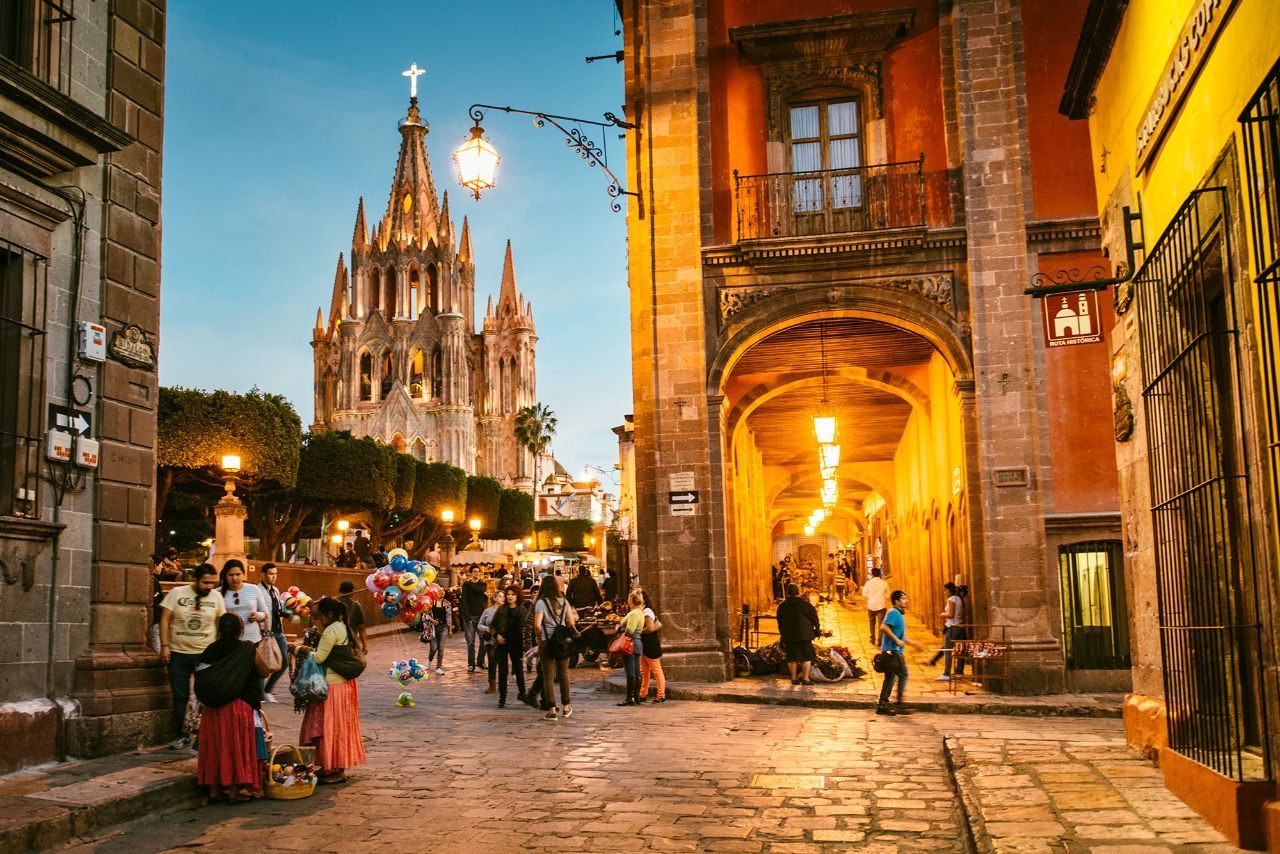
A move to San Miguel de Allende often starts with a strong first impression. A few minutes on bhhscolonialhomessanmiguel.com, a walk through photos of pink stone facades, or a weekend visit can make the city feel instantly livable. Then the practical question shows up fast: can the cost of living in San Miguel de Allende fit a real monthly plan? The city’s appeal is not imagined. UNESCO recognizes San Miguel and the nearby Sanctuary of Jesús Nazareno de Atotonilco for their historic and architectural value, which helps explain why demand stays strong year after year.
The honest answer is yes for many people, though the city rewards disciplined planning more than blind optimism. Current price databases point to the same conclusion: housing is the budget lever that matters most. Numbeo’s latest city data places a one-bedroom apartment at about MXN 18,817 in the center and roughly MXN 12,013 outside it, while Expatistan’s March 2026 listings show a furnished studio at about MXN 21,094 in an expensive area and about MXN 11,289 in a normal area. Expatistan also warns that its city estimates should be treated as a starting point, not a guarantee, which makes budgeting with a safety margin the smart move.
Start With Housing, Because Housing Sets the Tone
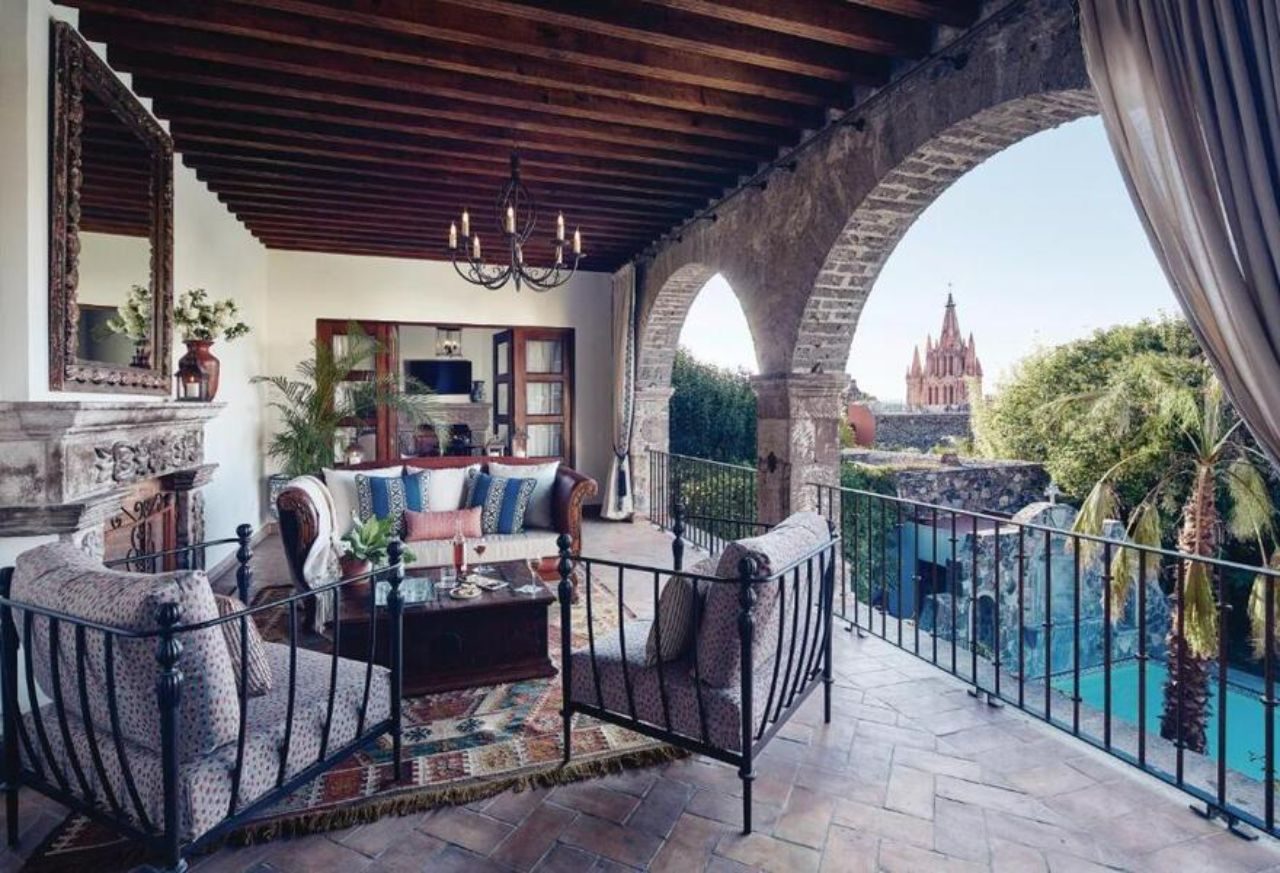
If you want to make San Miguel affordable, start with rent before you think about restaurants, galleries, or weekend trips. In this city, the gap between a central address and a less tourist-heavy location is large enough to reshape your whole month. Numbeo’s current figures show roughly a MXN 6,800 difference between a one-bedroom in the center and one outside it. For three-bedroom homes, the gap jumps to roughly MXN 15,000 a month. That is not a small adjustment. That is the difference between breathing room and budget stress.
This is why many long-term residents do better when they separate aspiration from daily life. A postcard address sounds great at first, but a place ten or fifteen minutes farther out can lower your fixed costs and still keep the city’s rhythm close. Expatistan’s March 2026 data tells the same story from another angle: furnished accommodation for 85 square meters runs about MXN 30,093 in an expensive area versus about MXN 14,516 in a normal area. The premium is real, and it compounds every month.
A practical approach is to rent first, learn the neighborhoods, and let the city teach you how you actually live. Someone who loves walking to dinner twice a week has one budget. Someone who works from home, cooks often, and uses taxis sparingly has another. Affordability in San Miguel begins when your address matches your routine, not your fantasy version of it. The rent spreads in current local data make that clear.
Build a Resident’s Food Budget, Not a Visitor’s Food Budget
Food spending in San Miguel can stay manageable, though the city punishes casual overspending. Expatistan’s March 2026 listings put a liter of milk at MXN 26, a dozen eggs at MXN 55, boneless chicken breast at MXN 71 for 500 grams, tomatoes at MXN 29 per kilo, and potatoes at MXN 27 per kilo. Those numbers show that basic groceries still leave room for a reasonable monthly budget if you cook often and shop with intention.
Dining out changes the math fast. Expatistan lists a basic dinner for two in a neighborhood pub at MXN 595, a dinner for two at an Italian restaurant in an expat area at MXN 950, and a cappuccino in an expat area at MXN 69. Numbeo places an inexpensive restaurant meal at about MXN 270. None of those prices look shocking in isolation. Stack them across a week, though, and your “affordable” city starts acting expensive.
The best strategy is simple. Keep your weekday food spending boring in a good way. Buy staples locally. Cook at home most days. Let dining out feel deliberate instead of automatic. San Miguel can support a polished lifestyle, but people who stay on budget usually create a clear split between daily meals and social meals. The local price spread supports that habit.
Treat Exchange Rates and Income Structure as Part of the Budget
People moving from the United States, Canada, or other stronger-currency markets often focus on prices and ignore the bigger force behind affordability: income structure. If your income lands in dollars and your spending happens in pesos, your budget has a built-in advantage. Banco de México’s published FIX exchange rate was 17.6690 pesos per U.S. dollar on March 19, 2026. That kind of rate can make local expenses feel far more manageable for foreign earners than for residents paid locally.
The contrast gets sharper when you look at local earnings against local housing. Numbeo’s reported average monthly net salary after tax for San Miguel is MXN 11,333. That sits below its own reported average for a one-bedroom apartment outside the center, which comes in at about MXN 12,013. Even with the limits of crowdsourced data, the signal is strong: rent can absorb a punishing share of income for local wage earners, while remote workers or retirees paid from abroad often have more flexibility.
That means affordability is not only a spending problem. It is an income-planning problem. A smart resident tracks exchange rates, keeps a peso buffer for bills, and avoids living right at the edge of what the strongest month can support. A budget built on your best exchange-rate month is fragile. A budget built on a conservative monthly average lasts longer and creates far less stress.
Use Low Fixed-Cost Essentials to Offset the Rent Premium
One reason San Miguel remains workable for many households is that several everyday essentials stay relatively modest compared with the housing premium. Expatistan lists utilities for one person in a 45-square-meter studio at MXN 521 a month and internet at MXN 535. Numbeo puts basic utilities for an 85-square-meter apartment at about MXN 826. These are the kinds of routine costs that can help offset higher rent if you choose your home carefully and avoid overcommitting on square footage.
Transportation can help too, though only if you do not lean on taxis for everything. Numbeo lists a one-way local transport ticket at MXN 8 and a monthly pass at MXN 120. At the same time, it shows a taxi start at MXN 80 and roughly MXN 75 per kilometer, which means frequent cab use can quietly torch a budget. Live in a walkable area, cluster your errands, and the city feels economical. Depend on point-to-point car trips, and the savings shrink fast.
Healthcare is another area where the numbers can stay reasonable with planning. Expatistan lists a short private doctor visit at about MXN 746, cold medicine at MXN 119, and a box of antibiotics at MXN 282. On the public side, the Mexican Social Security Institute states that foreigners in Mexico can voluntarily register as independent or self-employed workers. For many residents, that mix of private routine care and public enrollment options creates a more stable health budget than they expected before moving.
Avoid Long-Term Tourist Spending

San Miguel often feels affordable right up until people start spending like permanent visitors. That is where budgets slip. Numbeo’s city comparison shows Mexico City is 8.5 percent lower than San Miguel on cost of living excluding rent, and groceries in Mexico City come in 16.6 percent lower. Another comparison shows San Miguel’s total cost of living including rent is about 58 percent higher than Guanajuato. In other words, this is not the cheapest option in central Mexico. It is a premium market with premium habits waiting to catch careless spenders.
The premium often hides in small, repeat purchases. Expatistan lists a gym membership at MXN 672, a downtown cocktail at MXN 148, and a standard men’s haircut in an expat area at MXN 201. Those numbers are not outrageous. They simply add up faster in a city built around leisure, dining, and social life. Affording San Miguel has less to do with dramatic sacrifice and more to do with noticing how quickly polished routines become expensive routines.
People who handle the city well usually pick a few categories to enjoy fully and keep the rest grounded. They may spend freely on good coffee, art openings, or one excellent dinner each week, then stay disciplined on groceries, transport, and housing. That pattern fits the market far better than trying to live at the highest local tier every day. The current price data supports a selective approach far more than an all-premium lifestyle.
Know When Renting, Sharing, or Buying Makes More Sense
Buying can work in San Miguel, but it only becomes an affordability move under the right conditions. Numbeo places the current price per square meter at about MXN 49,720 in the center and about MXN 29,433 outside it. Those numbers show why buying on impulse is risky. The city can reward a long-term plan, though it does not forgive vague math. If you are still learning neighborhoods, daily routines, or seasonal cash flow, renting keeps your mistakes cheaper.
Sharing can be the bridge between a trial period and a permanent decision. A renter splitting a larger home outside the center can often gain better space, a stronger location, and more financial flexibility than someone stretching alone for a charming small place in a premium area. The same data that makes solo central living look expensive can make a shared arrangement look smart. San Miguel often favors people who treat housing as a strategy instead of a status signal.
In the end, affording life here comes down to one clear rule: pay for what shapes your days, and trim what only flatters the image of the move. A well-located rental outside the center, regular home cooking, moderate taxi use, and a conservative exchange-rate buffer can create a comfortable life in a city that still carries a global reputation and a strong demand premium. San Miguel is affordable for many people. It simply asks for a sharper plan than the postcard version suggests.