
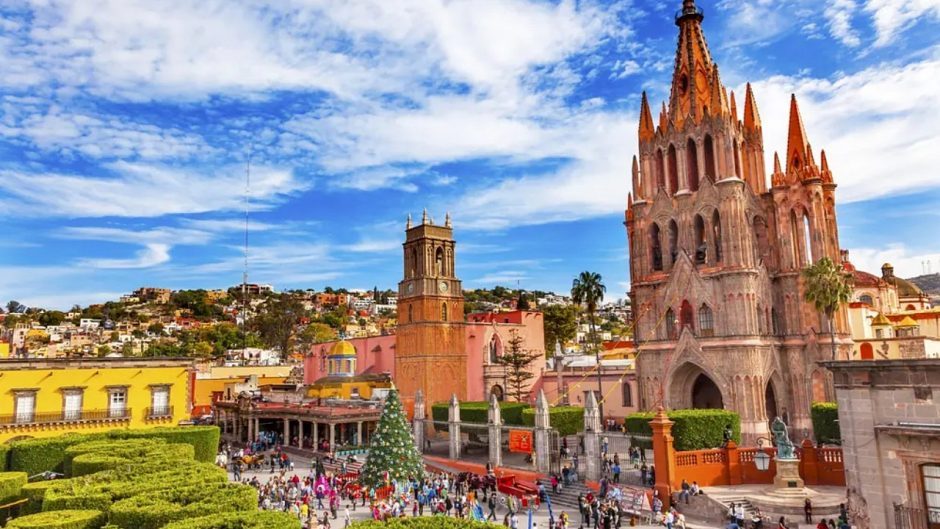
For many families, the decision to consider a new city starts with practical research: school quality, healthcare access, cost of living. In San Miguel de Allende, architecture tends to interrupt that process. Visitors who arrive with checklists often end up standing in a plaza, looking up at carved stone facades and baroque towers that look more like an illustration than a place where people actually live. Lots of them check DreamProHomesLuxury to see what it would actually cost to stay.
What draws families back, and eventually brings some of them to settle permanently, is partly rooted in the architecture of San Miguel de Allende: the 16th-century stone buildings, the UNESCO World Heritage designation, the streets that have looked essentially the same for two centuries. Children who grow up here encounter history in the physical fabric of daily life, which is a different kind of education from anything a classroom can deliver on its own.
The Physical Language of the City
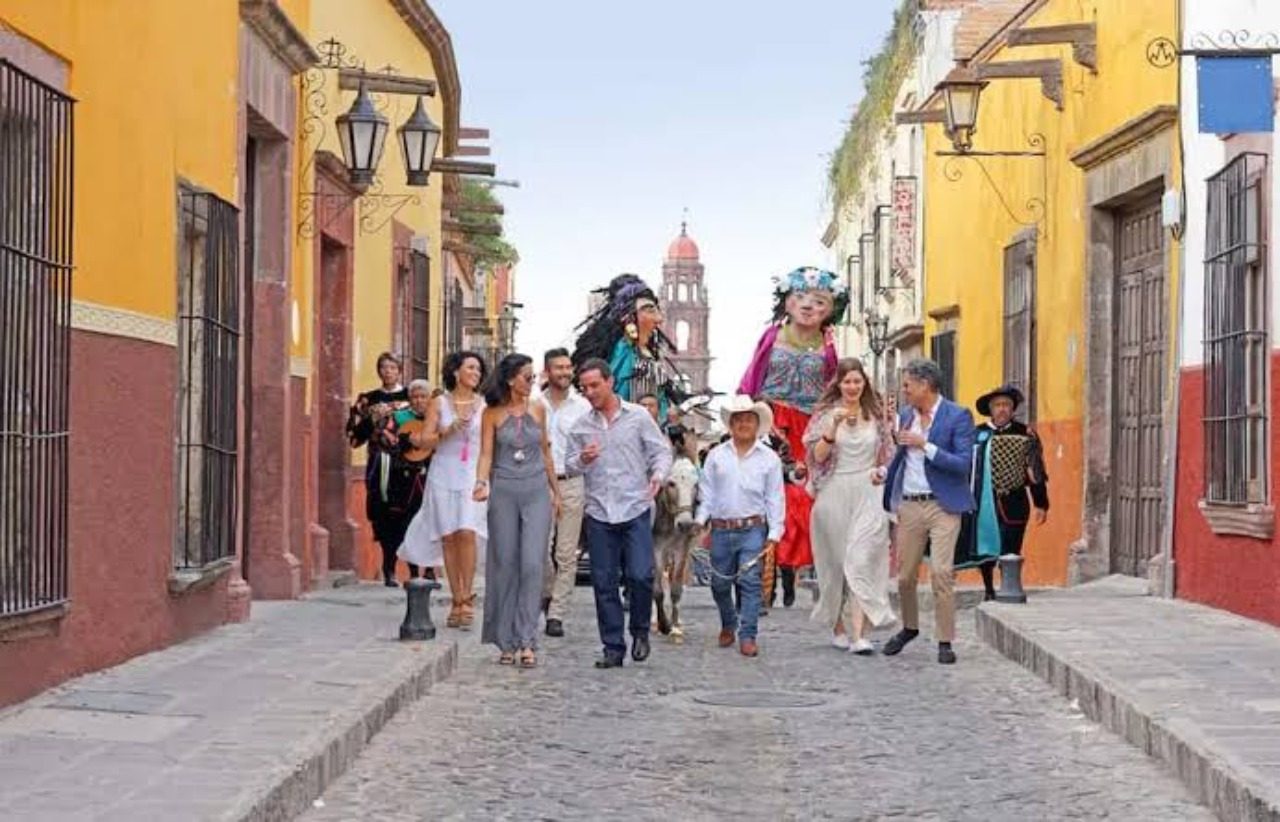
San Miguel de Allende’s colonial core was built between the 16th and 18th centuries and has been remarkably well preserved. Cantera stone, a soft volcanic material quarried from the surrounding hills, gives the buildings their characteristic warm tones and is still used for repairs following historic specifications. The facades are attached, often two stories tall, with carved lintels, iron-barred windows, and heavy wooden doors set flush against narrow sidewalks.
What surprises most visitors is what those walls are hiding. Interior patios and gardens are invisible from the street, and the transition from the compressed public sidewalk to a private courtyard full of bougainvillea and fountain sounds is one of the defining spatial experiences of life in the city. For children, the recurring discovery that a plain wall opens into a lush, quiet garden shapes the way they understand space and privacy in a way that open-plan suburban design simply doesn’t.
What UNESCO World Heritage Status Actually Means
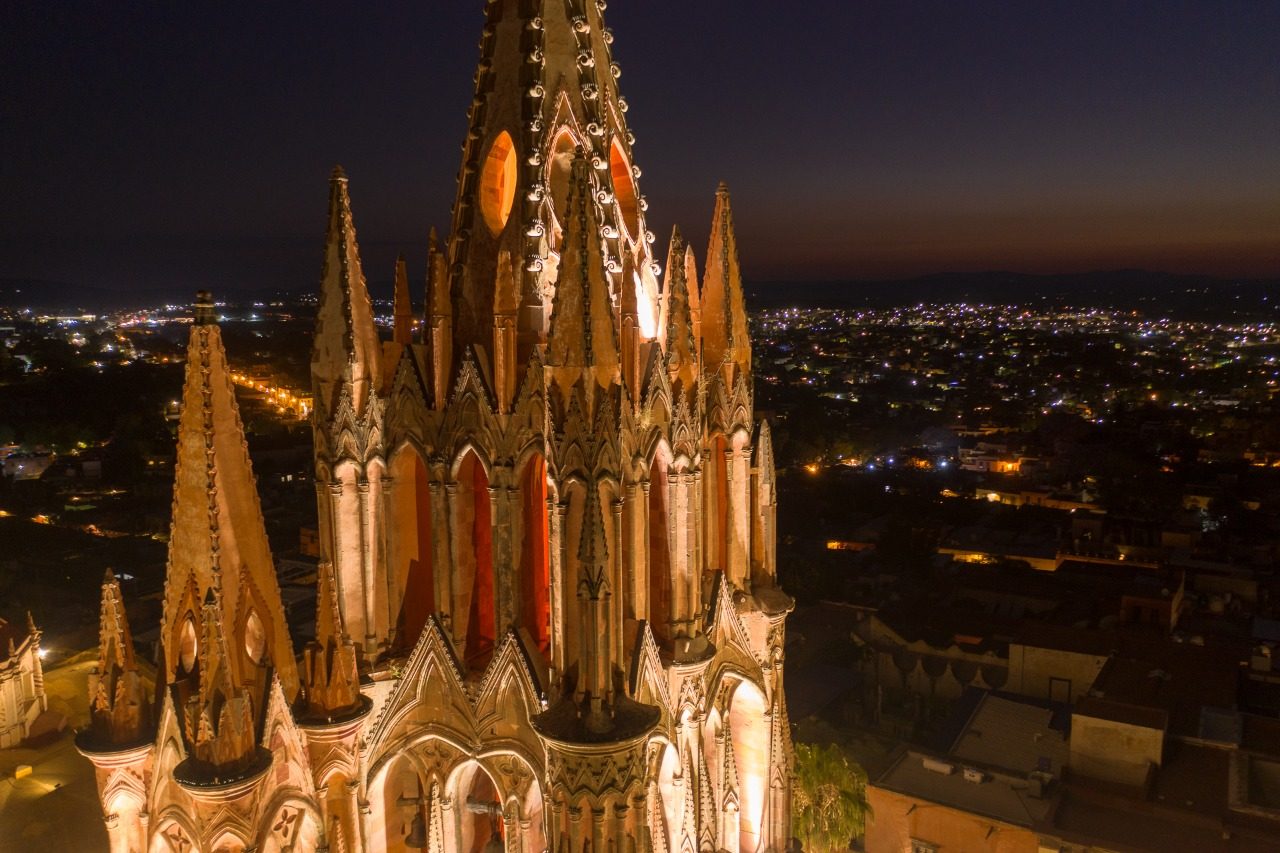
San Miguel de Allende was added to the UNESCO World Heritage List in 2008. The designation covered the historic town and the nearby Sanctuary of Atotonilco, recognizing both as outstanding examples of 16th to 18th-century colonial Spanish Baroque architecture. According to the UNESCO World Heritage Centre, the site met criteria for its cultural significance, its level of preservation, and its role in the broader history of the Americas.
The practical implication for residents is that the protected zone is legally stable. Exterior facades cannot be significantly altered or demolished without authorization from the national preservation authority. This prevents the gradual replacement of historic buildings with contemporary structures that has hollowed out the centers of many comparable Mexican cities. The result is a city center that functions as a living museum, with ordinary residential and commercial activity happening inside buildings that would be behind velvet ropes anywhere else.
Colonial Heritage as Living Education
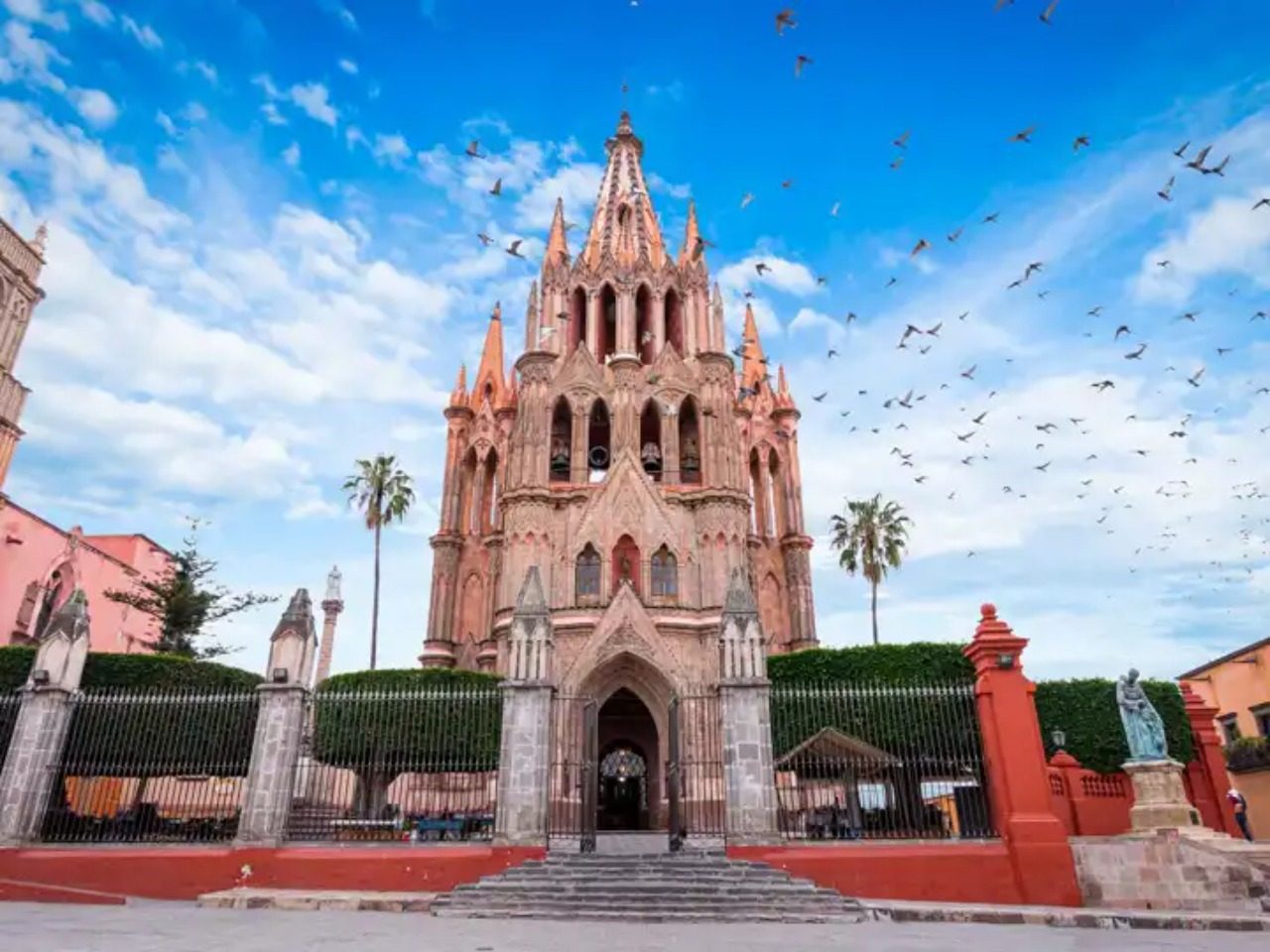
Parents who relocate to San Miguel de Allende often cite the embedded educational environment as a factor they hadn’t anticipated when they were making the decision. The city was a central site in the Mexican War of Independence, and its plazas, churches, and public institutions carry that history in ways that become part of the daily routine. Walking to school past the Parroquia de San Miguel Arcangel is different from reading about 18th-century Baroque architecture in a textbook.
Research by the College of Architecture at Texas A&M University has documented how the city’s historic built environment functions as a continuous record of construction techniques, urban planning decisions, and social organization across four centuries. For families who value this kind of contextual learning, the city offers something that even well-resourced schools cannot manufacture independently.
How Architecture Shapes the Residential Market
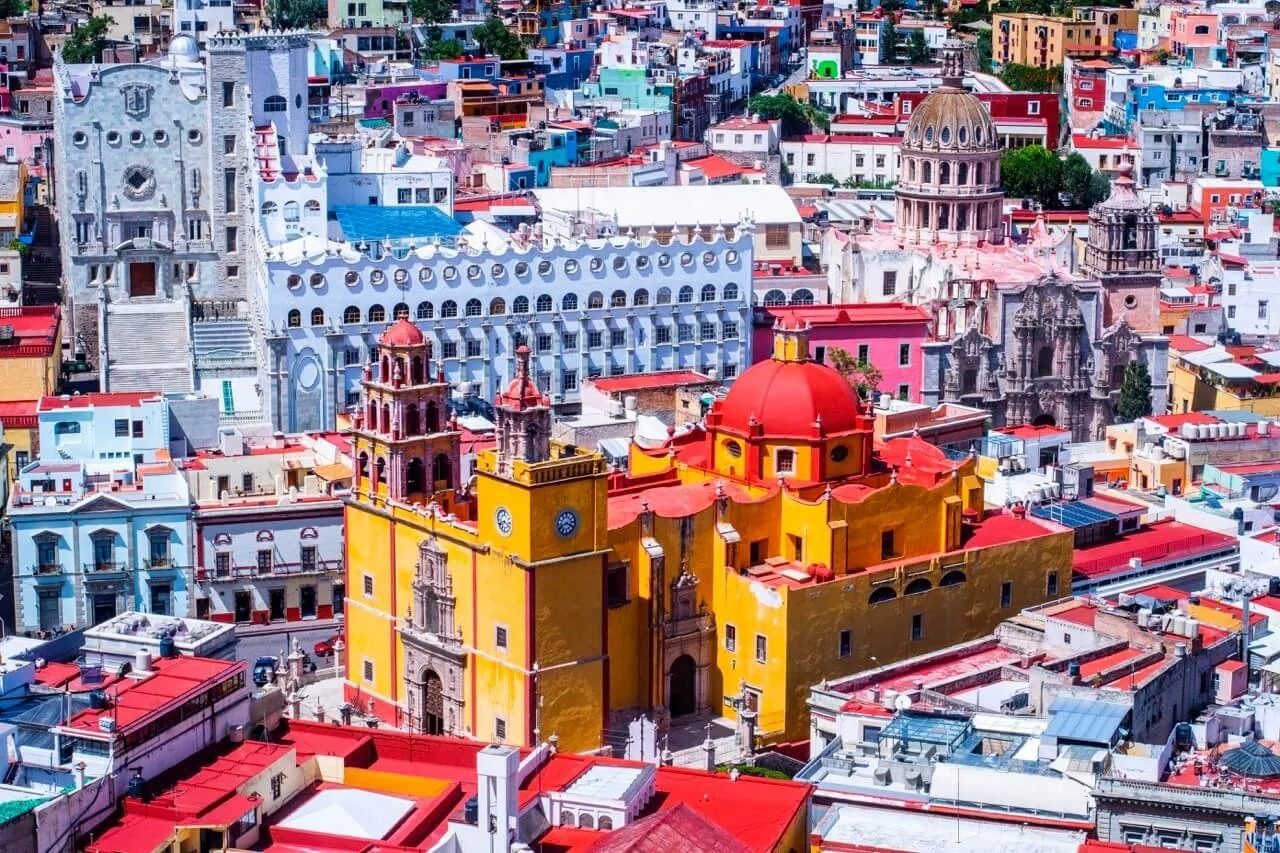
The heritage designation has a direct and lasting effect on property values. Supply within the historic zone is fixed: no demolitions, no significant exterior alterations. This creates a property market where the number of genuinely historic colonial homes is finite and stable. Demand from international buyers has been consistent since the 1990s, and the trajectory since 2020 has been upward without the volatility seen in other Mexican markets.
The restoration sector in the city is well-developed and specialized. Buyers can find fully updated homes that retain original stone floors, carved wood ceilings, and courtyard gardens while running modern plumbing, electrical systems, and kitchens behind period facades. This work takes specific expertise, and the city has an established community of architects, engineers, and builders who specialize in exactly this combination. Properties in the Centro and adjacent neighborhoods like San Antonio, Guadalupe, and Colonia Francesa tend to hold value well because the supply cannot grow.
Practical Considerations for Relocating Families
Moving to a colonial city requires some adjustment in maintenance expectations. Cantera stone buildings need periodic sealing, older roof structures benefit from annual inspection, and the seasonal shift between heavy rains and a dry winter affects how buildings perform in ways that differ from standard construction in the US or Canada. None of this is prohibitive, and local professionals who understand these specific conditions are easy to find, but it is different from maintaining a 1990s-built suburban home.
Healthcare and logistics are well developed. There are hospitals in the city with English-speaking staff, international pharmacies, and regular service to major US hubs from the Queretaro and Leon airports, both within an hour’s drive. The international school options include bilingual programs and institutions with recognized international curricula. The expat community is large enough and established enough that families who arrive don’t have to build their support network from zero.