
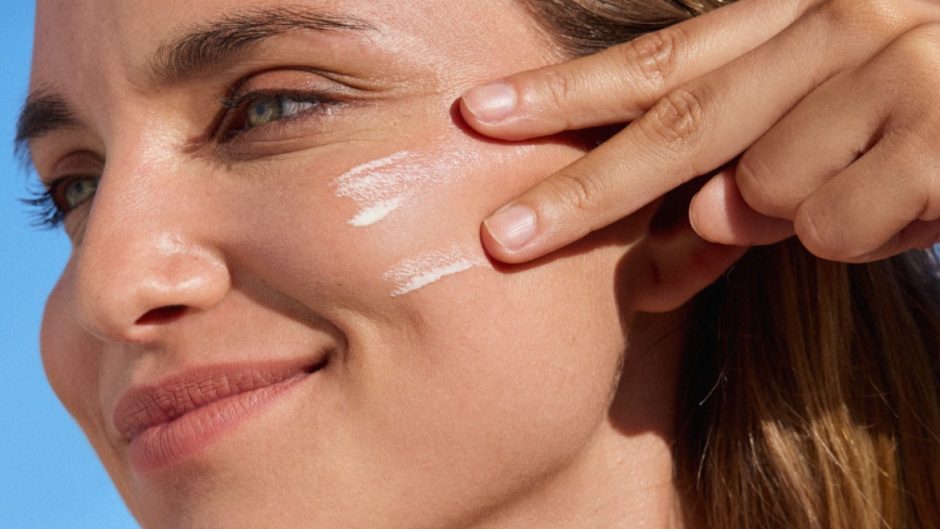
Living in a humid climate changes what your skin actually needs. Most skincare advice is written for temperate or dry conditions, which means it misses the mark for anyone dealing with the specific pressures of heat and moisture combined. Dermatologist Dr. Evelyn Tay has written about how the same routine that works perfectly well in a dry continental climate can actively cause problems in a humid one, triggering breakouts, congestion, and unwanted inflammation where there were none before. The products, textures, and application habits that felt right for one climate often do the opposite in another.
Getting that right starts with understanding your environment first. Following a thoughtful humidity skincare routine is not about using fewer products or stripping back everything you do; it is about choosing the right ones for the conditions your skin is actually living in. That distinction matters more than most people realize, and getting it wrong means fighting your own routine rather than benefiting from it. For anyone spending significant time in the tropics or in a humid coastal region, this is worth understanding properly.
How Humidity Actually Affects Your Skin
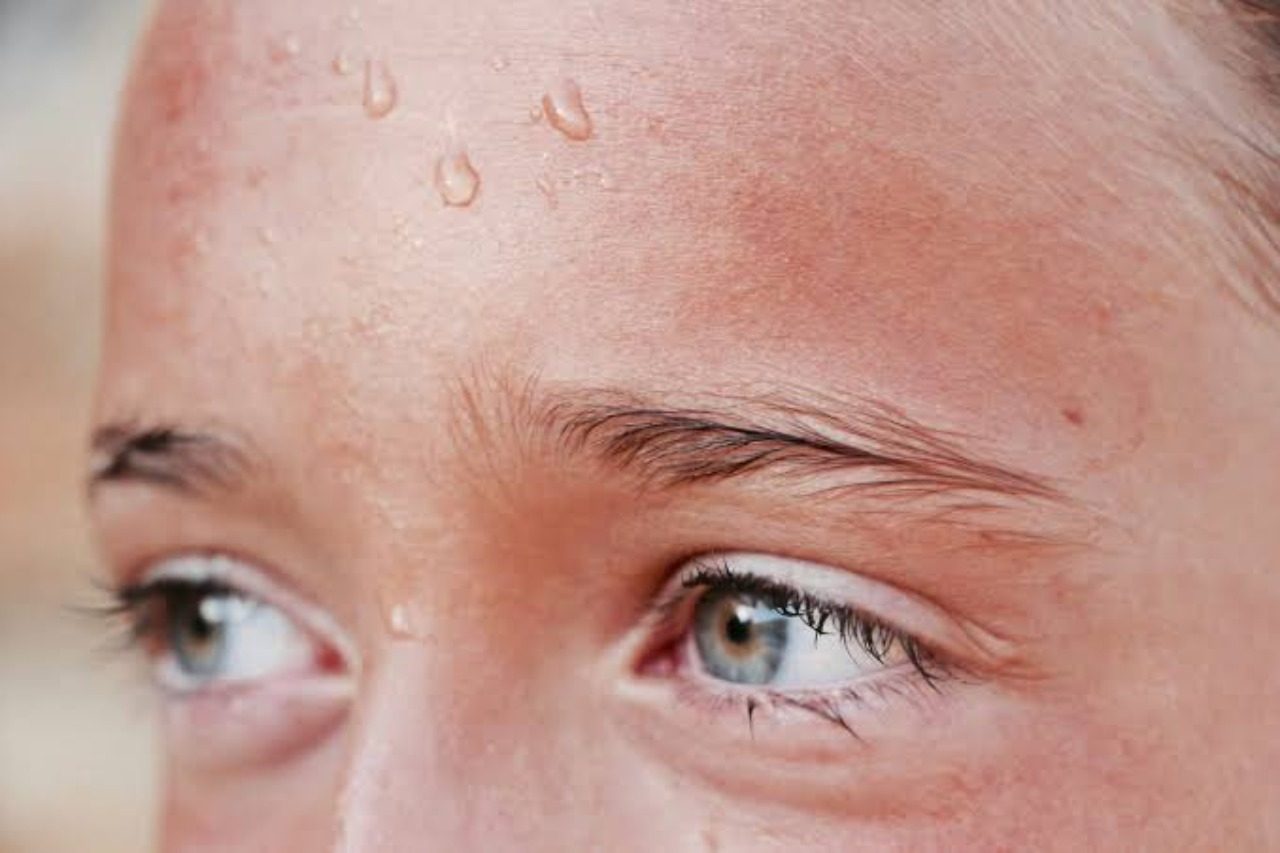
High humidity means the air is already carrying a lot of water vapor. For many people, the intuitive assumption is that this helps skin stay moist. It does, to a degree. But the relationship between atmospheric moisture and skin health is more complicated than simple addition.
The sebaceous glands, which produce the oil that keeps skin supple, are highly responsive to temperature and sweat. In humid conditions, the body sweats more but sweat does not evaporate as efficiently, leaving a film on the skin that mixes with sebum and product residue. For people prone to congestion or acne, this is a direct trigger. Pores that behaved fine in a drier climate can become chronically blocked within weeks of moving to a humid region.
There is also the skin barrier to consider. High humidity can weaken the tight-junction function of the outer skin layer over time, particularly when it fluctuates between indoor air conditioning and outdoor heat. That cycling is more disruptive than steady humidity alone.
Why Your Current Routine May Be Working Against You

The problem with applying a standard routine to a humid climate is mostly about texture. Thick creams and oil-based serums that provide necessary hydration in winter act like a lid on your skin in wet heat, preventing natural moisture regulation and sitting on top of sweat rather than absorbing as intended. Many people notice this as a new stickiness from products that previously felt comfortable, and they keep adding lighter products on top without removing the heavier base, which compounds the problem.
Switching textures is necessary, but it is rarely enough on its own. The frequency of certain steps typically needs adjustment as well. According to guidance from the American Academy of Dermatology, heat and humidity can exacerbate common skin problems in ways that a routine designed for other climates will not address. Adding a midday cleanse, switching to gel-based products, and adjusting the timing of heavier treatments are all changes that most dermatologists recommend for people relocating to or spending extended time in humid regions.
Building a Routine That Works in High Humidity
The first practical change is the cleanser. A foaming or gel-based cleanser removes excess oil and sweat without stripping the skin’s moisture barrier. Cream-based cleansers and oil cleansers used as a standalone step can leave residue that contributes to congestion in wet heat. Cleansing twice a day is standard, but a plain water rinse after sweating is a reasonable addition for people who are active outdoors.
Moisturizer is where most people make the biggest mistake. In humid conditions, the skin still needs hydration, but the source and texture differ from what cold-weather routines use. Humectants such as hyaluronic acid and glycerin draw moisture from the air into the skin, making them more appropriate than occlusive-heavy creams in high humidity. Research published by the National Library of Medicine identifies moisturizers as preparations intended to restore the skin’s protective barrier function; in humid climates, that goal is better served with lighter formulations than with the richer textures that work in dry conditions.
The Ingredients Worth Paying Attention To

Hyaluronic acid is the most discussed ingredient for humid-climate skincare, and for this specific use case, the reputation is deserved. At higher ambient humidity, it pulls water from the atmosphere into the outer skin layers, making it more efficient than in dry environments where it can paradoxically draw moisture from deeper skin instead. The humid-climate application is genuinely different, which is why a blanket recommendation misses something real.
Niacinamide handles what hyaluronic acid does not: sebum regulation. In warm, moist conditions, oil production typically increases, and niacinamide at a concentration between 2 and 5 percent helps keep that in check without adding texture. It also supports the skin barrier against the fluctuations from moving between air-conditioned interiors and outdoor humidity. Sunscreen rounds out the core routine. Tropical UV indices are consistently high, and humidity changes nothing about UV exposure; an oil-free SPF 30 applied after moisturizer is non-negotiable. The temptation to skip it because it feels heavy is solved by lighter formulations, which several brands now produce specifically for tropical climates.
Common Mistakes That Make Things Worse

Over-exfoliating is the most consistent error people make when adjusting to a humid climate. The logic seems sound: if skin produces more oil and pores clog faster, exfoliating more often must help. It usually makes things worse. Aggressive or frequent exfoliation disrupts the skin barrier, making it more reactive to heat and sweat. Once a week with a mild chemical exfoliant is a reasonable starting point; twice a week is a ceiling for most skin types. Physical scrubs are worth avoiding entirely in humid conditions.
The second common mistake is abandoning moisturizer. When skin feels oily in humid weather, the instinct is to cut hydration entirely. But oily surfaces are not always a sign of sufficient internal hydration; dehydrated skin can look shiny while still being water-depleted at a cellular level. Cutting moisturizer often triggers the sebaceous glands to compensate with more oil, making oiliness worse rather than better. A lightweight, water-based moisturizer applied once daily is better than none at all.