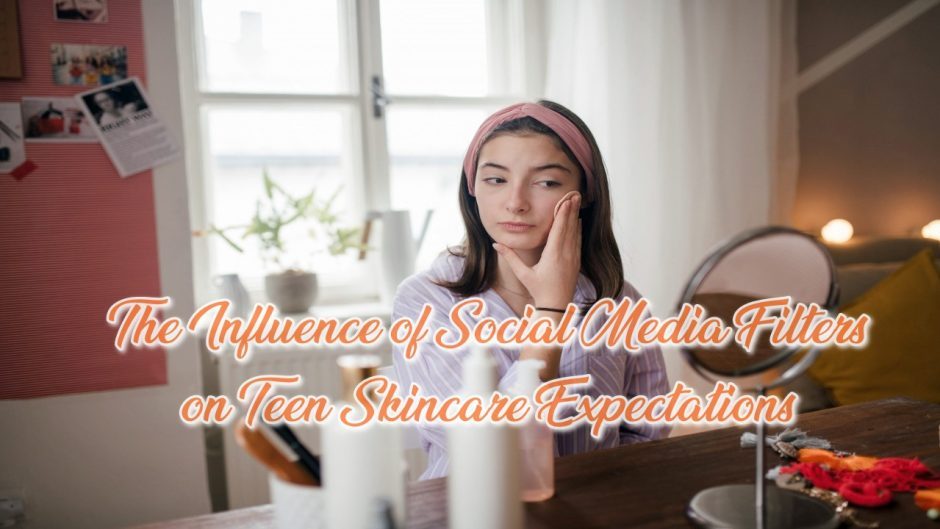
Imagine this: You’re scrolling through Instagram, TikTok, or Snapchat, and you see one flawless selfie after another. Perfect skin. Zero blemishes. Not even a hint of pores. It’s captivating—and a little intimidating. Now, think about how this might feel for a teen. It’s no wonder many young people walk into a dermatology clinic hoping for skin that looks as airbrushed as their favorite influencers’ photos.
The connection between filters and skincare is deeper than you’d think. Filters are no longer just playful add-ons—they’ve shaped what teens believe their skin should look like. Intrigued? Let’s dive into how these digital tools impact skincare expectations and what we can do about it.
Why Social Media Filters Are a Big Deal

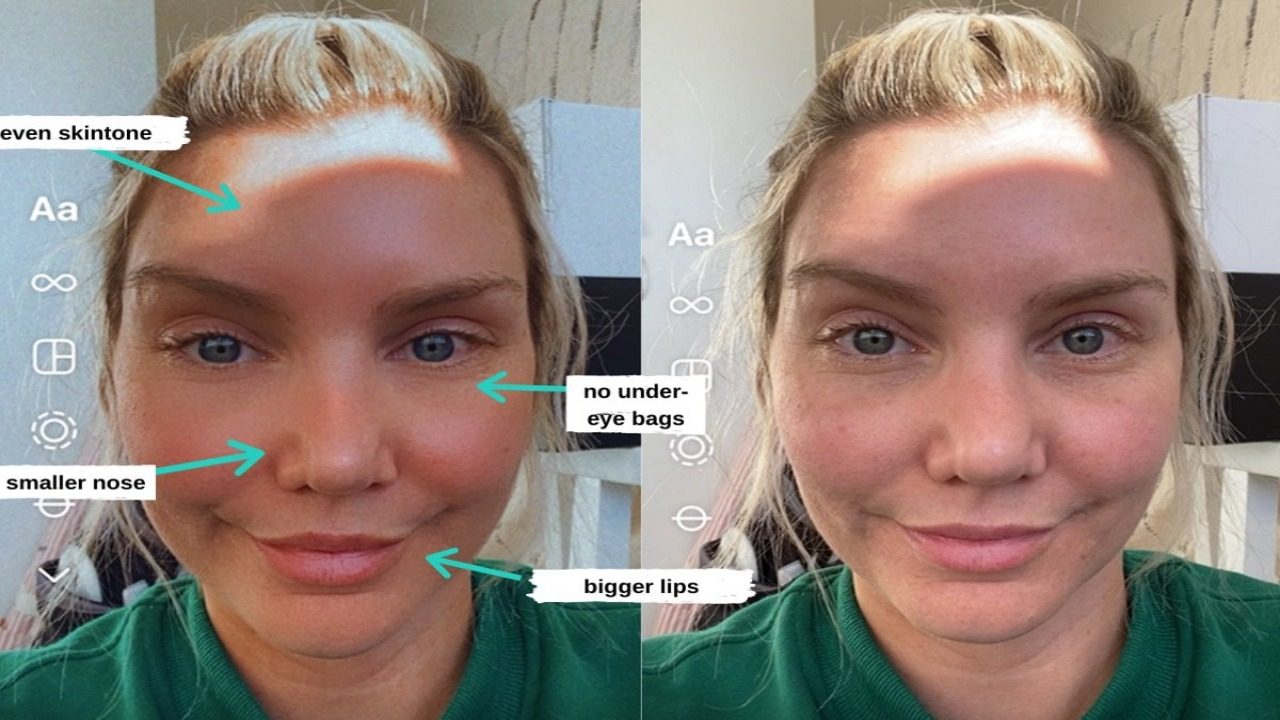
Filters are everywhere. A few taps can smooth out wrinkles, erase acne, and even change your facial features. Cool, right? Sure. But here’s the flip side: these enhancements often set impossible beauty standards.
For teens, filters can feel like a magic wand. They see their face looking “better” on screen and wish they looked like that in real life. The result? Frustration. And a growing obsession with flawless skin.
Here’s an example. A 15-year-old might upload a filtered selfie and get flooded with likes and compliments. That dopamine hit? It’s addictive. Suddenly, their unfiltered reflection in the mirror feels… disappointing.
The problem? Real skin doesn’t look like a filter. And it shouldn’t have to.
The Rise of Unrealistic Skincare Goals
Social media filters don’t just change faces—they change expectations. Teens now want their skin to be poreless, completely even-toned, and free of any blemishes or texture.
But here’s the kicker: even the most advanced skincare routine won’t deliver that. Why? Because real skin has pores. It’s textured. It’s human.
This disconnect often pushes teens toward extreme measures. They might spend hundreds on products that promise perfection. Or jump straight to treatments they don’t necessarily need. All to chase a look that isn’t even real.
Filters vs. Reality: A Personal Reflection
I remember chatting with my niece, a 16-year-old who loves experimenting with social media. She showed me a selfie with a popular beauty filter and said, “I wish my skin looked like this all the time.”
Her skin was already glowing—clear and healthy. But to her, it wasn’t enough. She’d started following rigorous skincare routines and even considered treatments beyond her age. All because of a filter.
That conversation hit me hard. If someone with already amazing skin felt this way, how must teens struggling with acne or other skin issues feel?
How Filters Impact Skincare Choices
This obsession with “perfect” skin has a ripple effect:
Overloading on Products
Many teens pack their routines with serums, exfoliants, and masks. The irony? Overusing products can damage their skin barrier, leading to more issues.
Turning to Treatments Too Early
Some teens request procedures meant for adults, like laser resurfacing or chemical peels. While these can be effective when necessary, they’re not always the right solution for young, developing skin.
Ignoring Professional Advice
Instead of seeking help from experts, teens often rely on trending “hacks.” Think DIY remedies or viral skincare routines that may not be safe.
What Can Be Done?
So, how do we bridge the gap between filtered expectations and reality? It starts with education.
Talk About Real Skin
Parents, teachers, and influencers can all play a role. The message? Skin isn’t supposed to look like a filter. Normalizing acne, scars, and pores can help teens feel more confident in their own skin.
Encourage Professional Guidance
When teens struggle with real skin issues, steer them toward experts. A dermatology clinic can offer personalized advice and treatments tailored to their needs. This approach is far better than chasing quick fixes or trends.
Set Healthy Boundaries Online
It’s not about banning social media. Instead, help teens balance their online and offline worlds. Encourage them to limit screen time and follow creators who embrace natural beauty.
Why This Matters
Teens are at a critical stage in their development. Their self-esteem, body image, and mental health are all being shaped—often by what they see on a screen. By addressing the influence of filters, we can help them form a healthier relationship with their skin.
The good news? Conversations are starting to shift. More influencers are ditching filters and showing their natural skin. Campaigns promoting real beauty are gaining traction. And teens are beginning to realize that real is beautiful.
The Takeaway
Social media filters aren’t going anywhere. But their impact doesn’t have to be negative. By promoting realistic expectations, educating teens, and encouraging expert advice, we can help young people embrace their natural skin.
The next time you scroll past a flawless selfie, remember this: no filter can replicate the unique beauty of real skin. Teens just need a little reminder—and maybe a visit to a trusted dermatology clinic—to see it for themselves.